
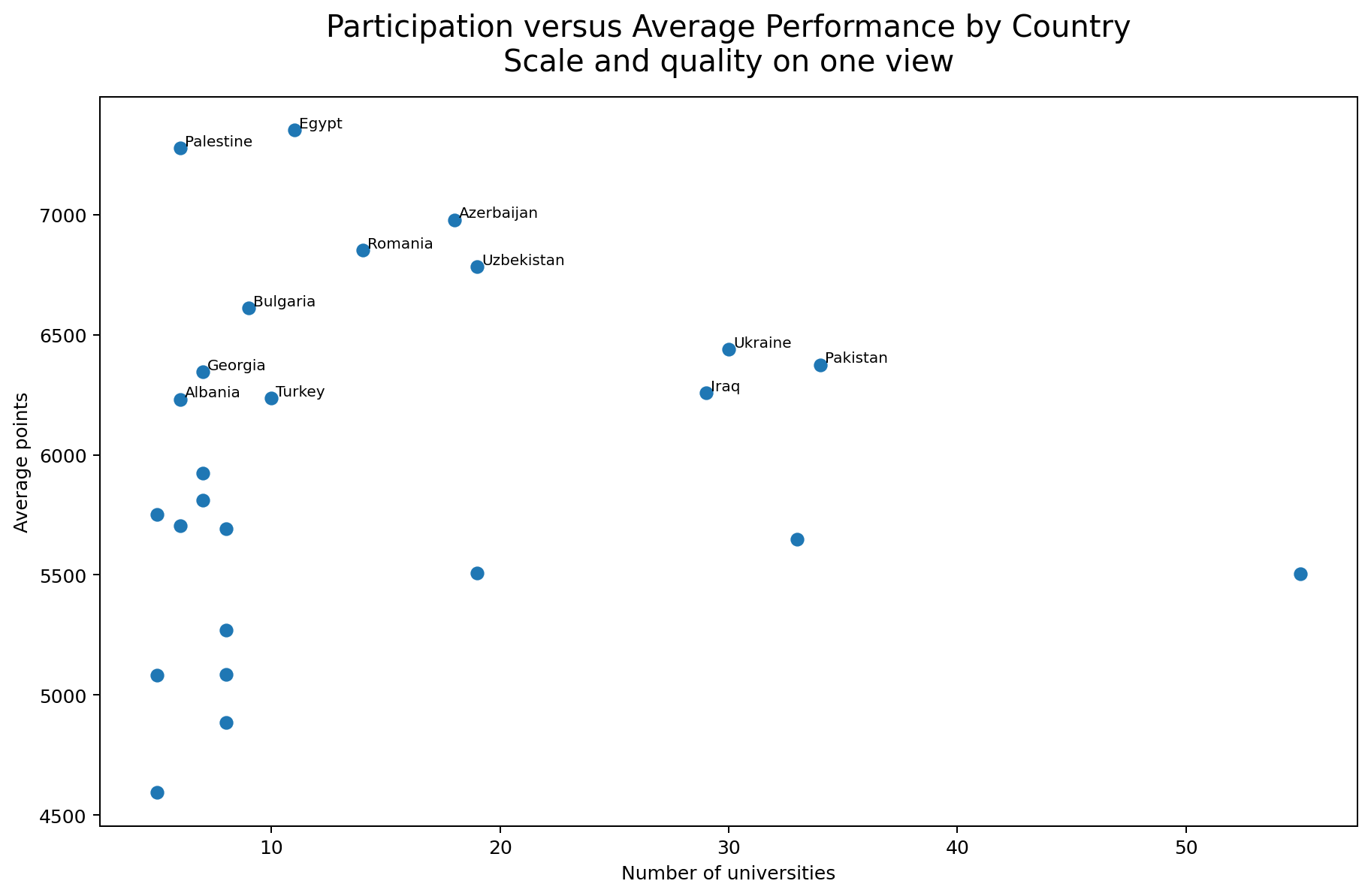
When people speak about South Asia in higher education, they often begin with the obvious fact of scale. And yes, scale matters. India alone contributes 54 institutions to the 2026 edition of HE Higher Education Ranking, while Pakistan contributes 34. Bangladesh, Nepal, Sri Lanka, and Afghanistan add further presence to the regional picture. But to stop at scale would be to miss the more interesting point. South Asia’s real lesson is competitive density: the existence of a large field of institutions that are learning, comparing, differentiating, and pushing one another forward.
This matters because institutional ecosystems become stronger when they are crowded with serious participants. A country with many universities in a ranking does not merely expand representation. It creates a landscape of comparison. Universities can benchmark against peers with similar regulatory structures, similar socioeconomic conditions, and similar developmental pressures. That is invaluable. It allows institutional improvement to become more grounded and less abstract.
India’s presence is particularly important in this respect. The country does not dominate the uppermost tier numerically, but its broad participation demonstrates something arguably more consequential: a deep institutional reservoir. It means that the conversation is not limited to one or two flagship universities. It extends across a wide field of institutions, each trying to strengthen its visibility, profile, systems, and comparative standing. That kind of density changes national academic culture. It makes benchmarking normal. It turns rankings into a field of strategy rather than a distant spectacle.
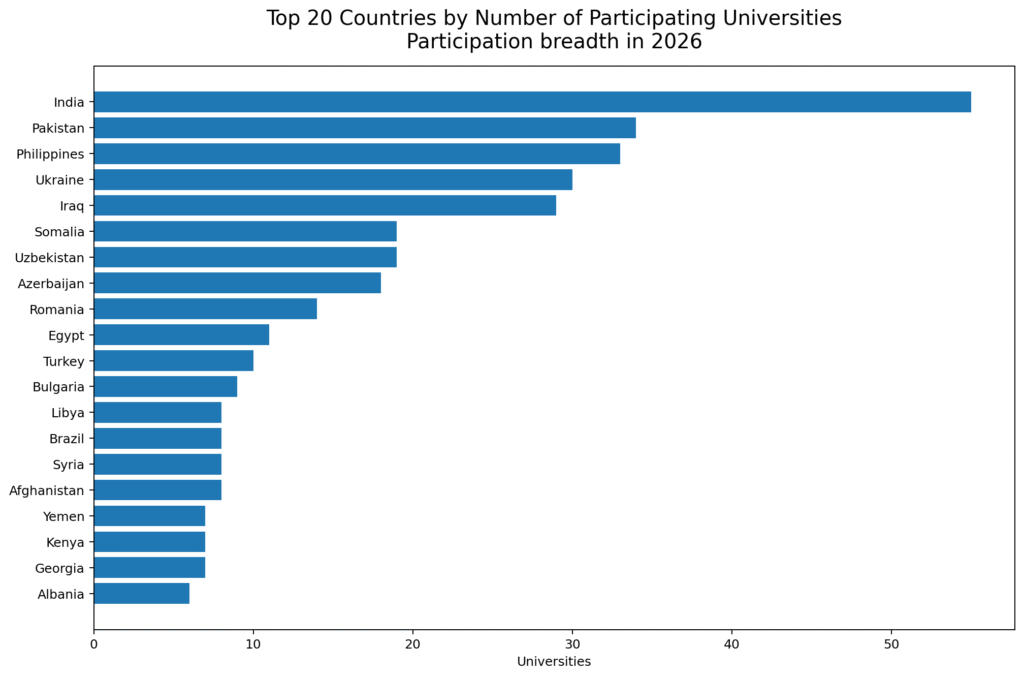
Pakistan offers another compelling regional lesson. With 34 participating universities and 7 institutions in the top 100, it combines scale with notable upper-tier performance. Mohammad Ali Jinnah University Karachi enters the top 10, while other institutions also perform strongly. This suggests that competitive density does not have to remain diffuse. It can mature into concentrated excellence when institutions translate activity into organized, visible performance.
What makes South Asia especially interesting is that its universities operate in environments of enormous complexity. They face massification pressures, infrastructure variation, public-private diversity, uneven digital readiness, and intense social expectations. Yet many still choose to enter comparative frameworks. That choice should not be underestimated. Participation in itself reflects a willingness to be examined, benchmarked, and challenged. In systems of this scale, that willingness is culturally significant.
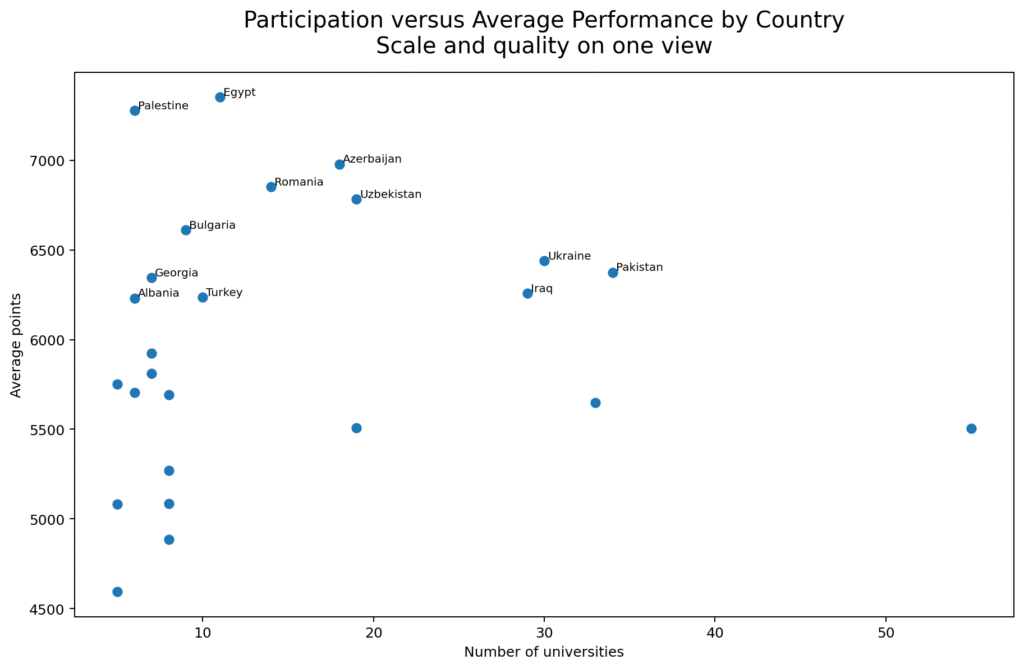
There is also a powerful strategic lesson here for institutions across the region. In dense academic ecosystems, reputation becomes more dynamic. Universities cannot rely only on local familiarity. They must communicate more clearly, document more systematically, and articulate their strengths more convincingly. That pushes institutions toward better habits. Stronger websites, clearer evidence, sharper academic positioning, more organized external communication—these are not cosmetic additions. They are becoming part of institutional competitiveness itself.
Another point worth making is that South Asia’s density creates opportunity for peer learning at many levels. Institutions can learn from national leaders, from regional analogues, and from universities only slightly ahead of them rather than from distant global icons alone. This is one of the healthiest possible outcomes of ranking participation. It creates realistic ladders of improvement. A university ranked 180th can study institutions ranked 90th or 60th and ask practical questions about how progress is being achieved. That is far more actionable than staring only at the global top 20 of every ranking on earth.
I also think South Asia’s ranking presence tells us something about the next phase of global higher education. The future will belong not only to universities with famous names, but to systems capable of mobilizing large numbers of institutions around quality culture, visibility, and strategic self-presentation. In that sense, South Asia is incredibly important. Its scale means that improvements in institutional practice can have wide effects. Its density means that improvements can spread quickly through competitive emulation.
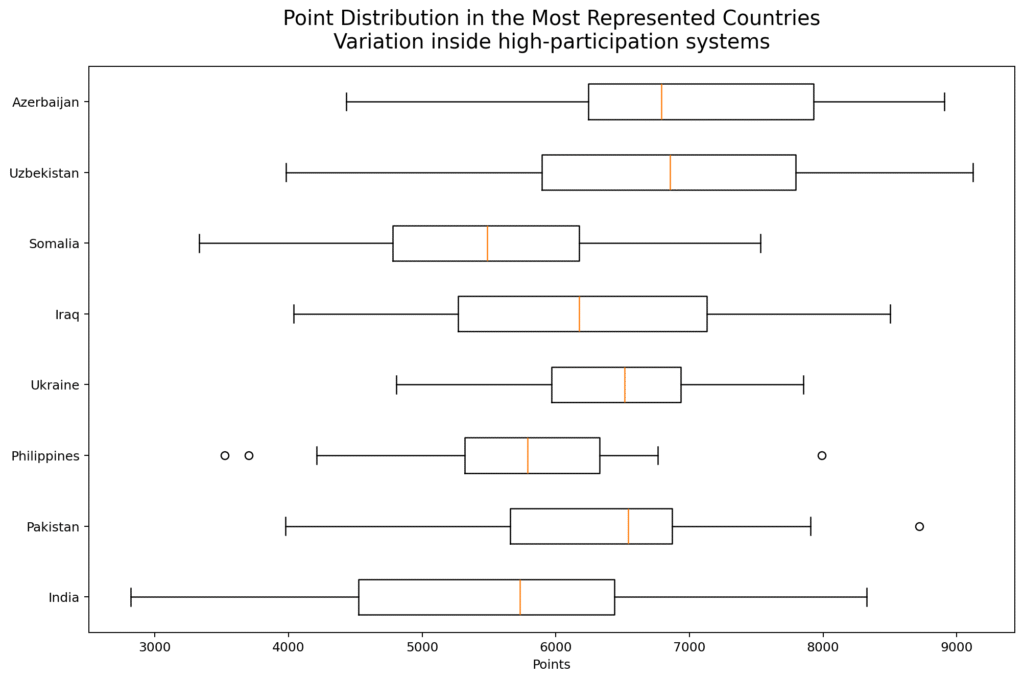
So yes, South Asia matters because it is large. But it matters even more because it is becoming strategically crowded. And in higher education, crowded spaces often produce the most interesting kinds of innovation, comparison, and institutional sharpening. That is why the region’s role in HE Higher Education Ranking 2026 should be studied carefully. It is not just about numbers. It is about momentum.
Competitive density also changes the behavior of leadership. In less crowded ecosystems, institutions can sometimes rely on reputation inertia or local dominance. In dense ecosystems, that is much harder. Universities are forced to ask sharper questions about differentiation. What exactly are we known for? How clearly do we communicate that? How consistently do we organize evidence around it? These are healthy pressures. They make institutions more self-aware.
There is a second lesson here too. South Asia’s density creates a powerful environment for institutional ambition at different levels of the table. Top performers can consolidate visibility. Upper-middle institutions can study realistic pathways upward. Mid-table institutions can see that improvement is not abstract because there are many examples just ahead of them. This creates a laddered culture of aspiration rather than a single cliff of prestige. That is one of the best conditions any academic system can have.
And perhaps the most important point is this: when a region develops depth, it becomes harder for the outside world to ignore it. Depth produces continuity, and continuity produces influence. South Asia’s role in HE Higher Education Ranking 2026 should therefore be read not only as participation, but as presence with strategic consequences.
#SouthAsia #HigherEducation #HERanking #India #Pakistan #UniversityLeadership #AcademicStrategy #GlobalHigherEducation