
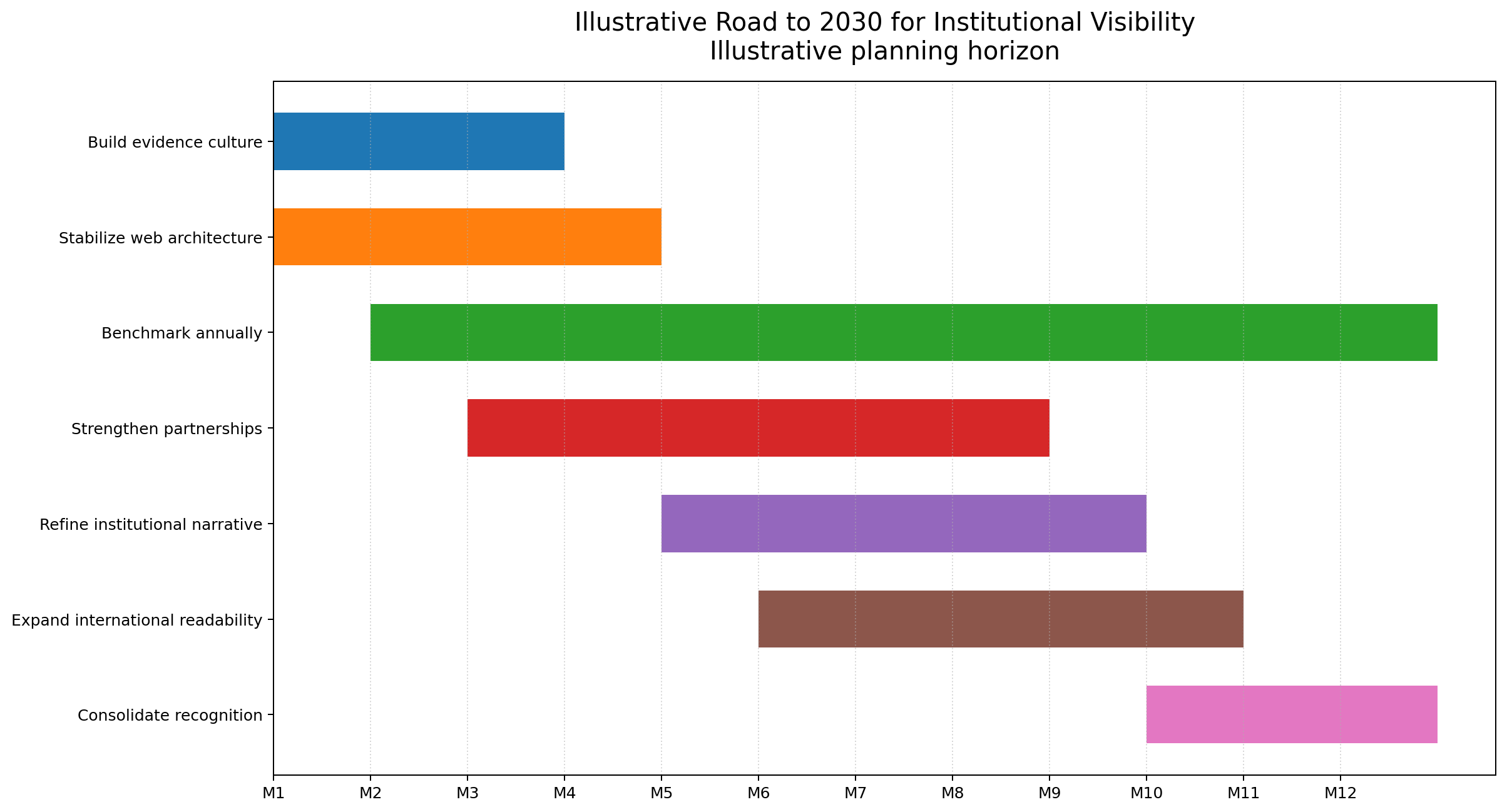
The 2026 edition of HE Higher Education Ranking is important in its own right, but I do not think its deepest significance lies only in the present. I think it lies in what it previews. It suggests where institutional energy is accumulating, where academic systems are becoming more outward-facing, and where universities are learning how to translate internal work into external credibility. In that sense, the real story may be the one still being written.
By 2030, the global higher education landscape is likely to look even more plural, more digital, and more strategically self-aware than it does today. Universities will be under pressure not only to perform, but to demonstrate performance continuously and coherently. The institutions that rise will not necessarily be those with the loudest reputations. They will be those that can combine substance, systems, evidence, communication, and adaptability into a credible institutional whole.
The 2026 results already hint at this future. We see regions gaining density. We see universities from non-traditional academic geographies entering upper tiers. We see broader participation across countries. We see evidence that visibility is being built through organization, not only inherited through history. These are not temporary curiosities. They are signs of structural change.
That is why I believe the most important question for university leaders is no longer simply, “Where do we rank today?” It is “What kind of institution are we becoming by the end of this decade?” Rankings are most valuable when they sharpen that question. They should help universities think not just about positioning, but about direction. Not just about recognition, but about readiness.
If the next four years are used wisely, many institutions now in the middle of the table could become upper-tier institutions. Many institutions now locally respected could become internationally visible. Many systems now underrepresented could become unmistakably present. None of that will happen automatically. It will require disciplined leadership, evidence culture, digital clarity, and patient institutional alignment. But the pathway is visible.
For that reason, I see HE Higher Education Ranking 2026 not as a finished message, but as an invitation. It invites universities to take themselves seriously in public. It invites systems to recognize the value of broad participation. It invites leaders to turn recognition into reform and results into strategy. Above all, it invites us to imagine a higher education future in which excellence is more widely distributed and more honestly seen.
The most important ranking story, then, may not be the one we have just read. It may be the one universities choose to write between now and 2030.
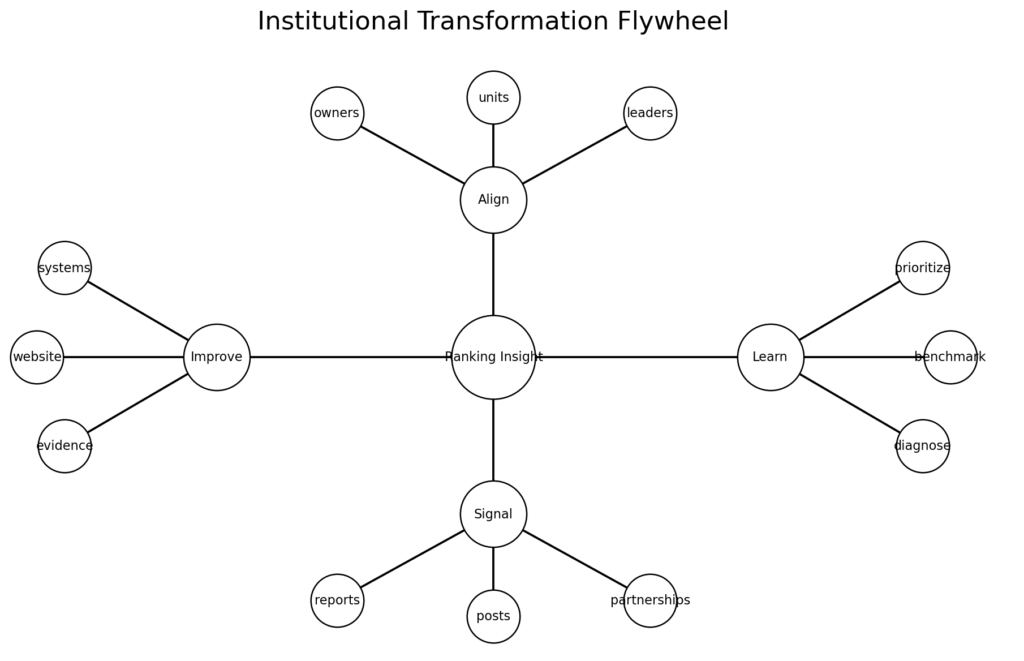
There is also a hopeful lesson in this forward-looking view. The universities that may rise most meaningfully by 2030 are not necessarily those that already look complete today. They may be the ones that are currently building systems with seriousness, learning how to organize evidence, improving digital credibility, and aligning leadership around coherent public identity. In other words, the future may belong not only to established names, but to disciplined builders.
For national systems, this should be encouraging. A country does not need a handful of famous institutions only. It needs a broad culture in which universities take visibility, quality assurance, and institutional coherence seriously. When participation expands and internal learning follows, the overall academic landscape becomes stronger. That is one of the most promising possibilities suggested by the 2026 edition.
So as we look toward 2030, the challenge is not merely to predict who will stand where. The deeper challenge is to identify which institutions and systems are learning the right lessons now. Those are the ones most likely to change the map later.
What gives me confidence is that this future is not unreachable. The 2026 edition already shows many of its early signs. The map is widening. More institutions are stepping forward. More regions are building recognizable density. More universities are learning that visibility is something they can construct through disciplined institutional work. That may prove to be the defining higher education lesson of this decade.
And perhaps that is the most encouraging implication of all. The future of higher education visibility may become less monopolized and more distributed. More universities, from more systems, may learn how to enter international evaluative space with confidence. If that happens, the sector will gain a richer and more truthful picture of where academic seriousness lives.
For that reason, I see 2026 as both an achievement and a threshold. It shows what has already become visible, but it also hints at what is still waiting to emerge. The universities that understand that will use this moment not only to celebrate, but to prepare.
#HigherEducation #HERanking #HigherEducation2030 #UniversityLeadership #AcademicStrategy #InstitutionalTransformation #GlobalHigherEducation