
A university that participates in a ranking and then talks only about the final position is missing much of the value. The position matters, of course. It shapes perception, supports communication, and gives the institution a clear external reference point. But the deeper gains from participation are often internal and developmental. This is something the 2026 edition of HE Higher Education Ranking makes very clear.
Participation forces institutions to gather themselves. It compels offices that may rarely work together to coordinate. It surfaces missing evidence, weak links in reporting, outdated web structures, and inconsistencies in public presentation. In other words, it creates a moment of institutional self-recognition. That can be uncomfortable, but it is also immensely productive. Universities often discover that the process of preparing for evaluation teaches them almost as much as the outcome.
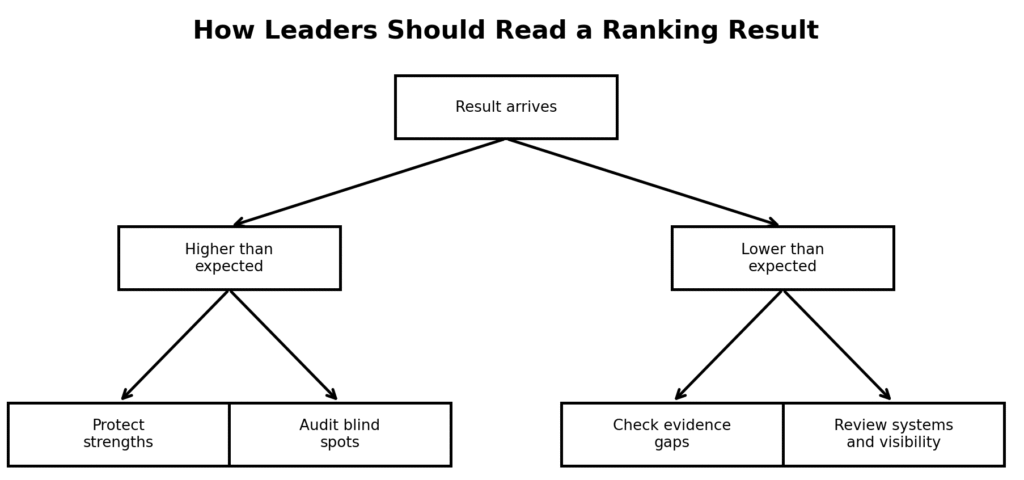
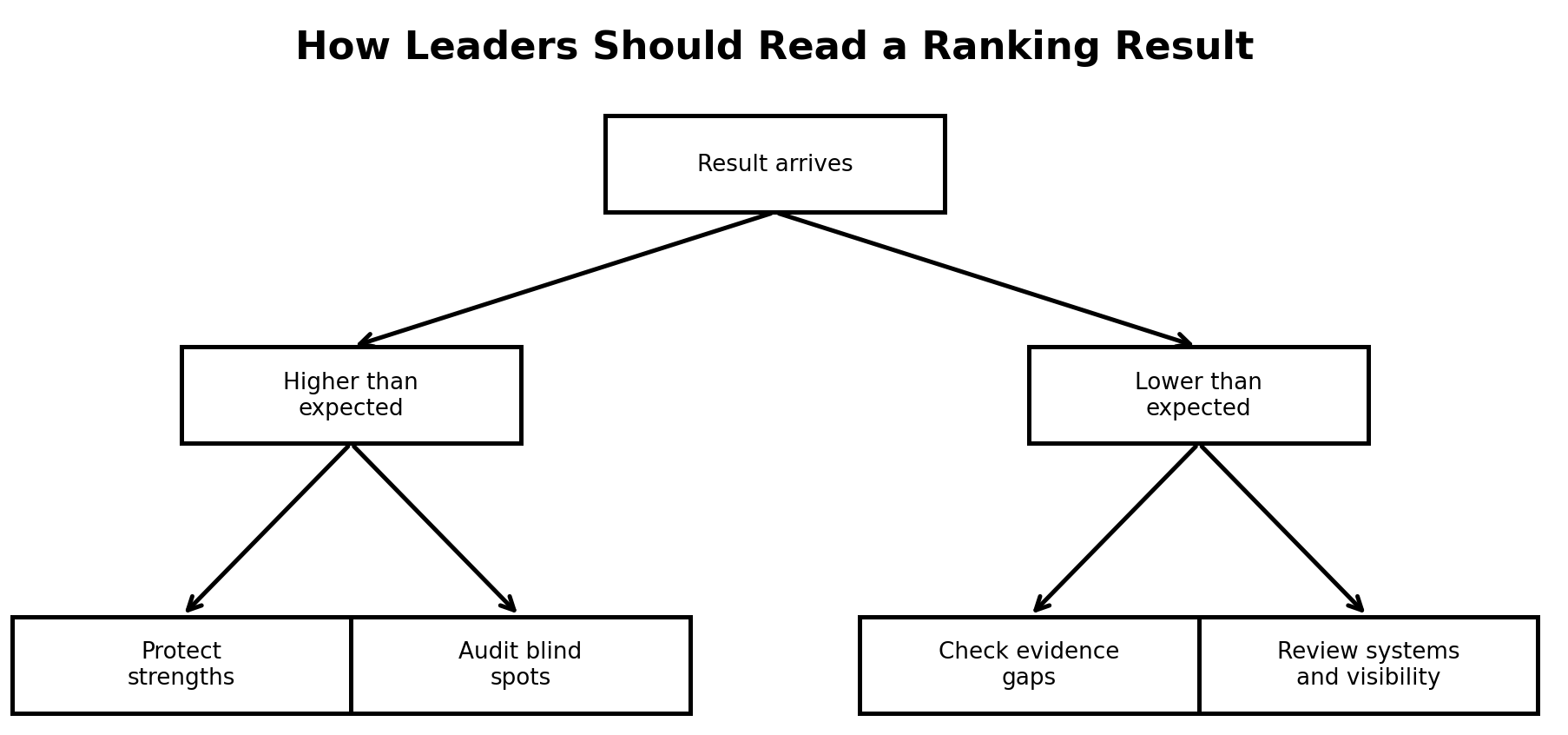
There is also the benefit of comparative clarity. Many institutions carry a vague sense of how strong they are, but vague self-confidence is not strategy. A ranking result places the university within a visible field. It allows leaders to see whether their assumptions match external reality. It helps academic units understand where the institution is persuasive and where it is not yet convincing enough. This kind of clarity is valuable because it turns aspiration into something more concrete.
Participation also strengthens communication capacity. Once a university has gone through the process seriously, it tends to become more conscious of how it presents itself. Reports improve. websites improve. public statements become more strategic. leadership messaging sharpens. The institution begins to understand that credibility is not only built through activity but through the visible organization of that activity. This is a major gain, even if it is not immediately celebrated.
Another advantage is motivational. A ranking result can energize internal stakeholders when it is handled constructively. Staff see that their work contributes to something externally visible. leaders gain a common narrative. departments feel the pressure—and often the pride—of collective performance. If managed well, the result becomes a platform for institutional alignment rather than a source of anxiety.
That is why I believe participation in HE Higher Education Ranking should never be reduced to publicity alone. It is an exercise in institutional maturation. It helps universities become more coordinated, more aware, and more legible. A ranking position is the visible output. The deeper gain is organizational learning. And in the long run, that may be even more valuable.
Another gain from participation is institutional discipline under deadline. This may sound mundane, but it is actually very powerful. Universities often postpone cross-unit coordination until an external process forces timing and clarity. A ranking cycle can become exactly that kind of useful forcing mechanism. It compels decision-making. It exposes where internal routines are weak. It reveals whether the institution can mobilize itself around a shared external task.
Participation also creates archival value. Once a university has assembled evidence properly for one cycle, it is easier to maintain and improve that evidence in the future. The institution begins to create continuity instead of starting from zero each time. Over several years, this can strengthen institutional memory dramatically. Offices become more mature because they learn not only to respond, but to retain and update.
And perhaps the most overlooked gain is confidence. When a university takes part seriously, it enters a different relationship with external evaluation. It stops seeing itself only as an object being judged and starts seeing itself as an institution capable of presenting, benchmarking, and improving itself with intention. That shift in posture is subtle, but transformative.
This is why the wisest institutions treat participation as a management exercise as much as a communications exercise. They know that the public result is only one layer. Beneath it lies a process that can improve coordination, sharpen leadership attention, and strengthen the routines through which the university understands itself. That is a major return on participation, even before the public announcement is made.
There is a reputational benefit here too. Universities that understand the developmental value of participation tend to communicate more credibly about their results. They do not sound as though they are chasing applause alone. They sound like institutions engaged in serious benchmarking and self-improvement. That tone matters because it signals maturity to external audiences.
In the end, the best institutions are not the ones that merely receive ranking outcomes. They are the ones that absorb those outcomes, translate them into learning, and return stronger in the next cycle.
#HigherEducation #HERanking #UniversityLeadership #InstitutionalImprovement #QualityAssurance #AcademicStrategy #HigherEdManagement